Inferior ingredients in oriental sweets can be unmasked in a few simple steps. A burning sensation in the esophagus, a feeling of heaviness, and a sticky aftertaste are typical consequences of cheap glucose/corn syrup and industrial vegetable fats.
Use these 4 characteristics to check the quality of baklava in seconds:
-
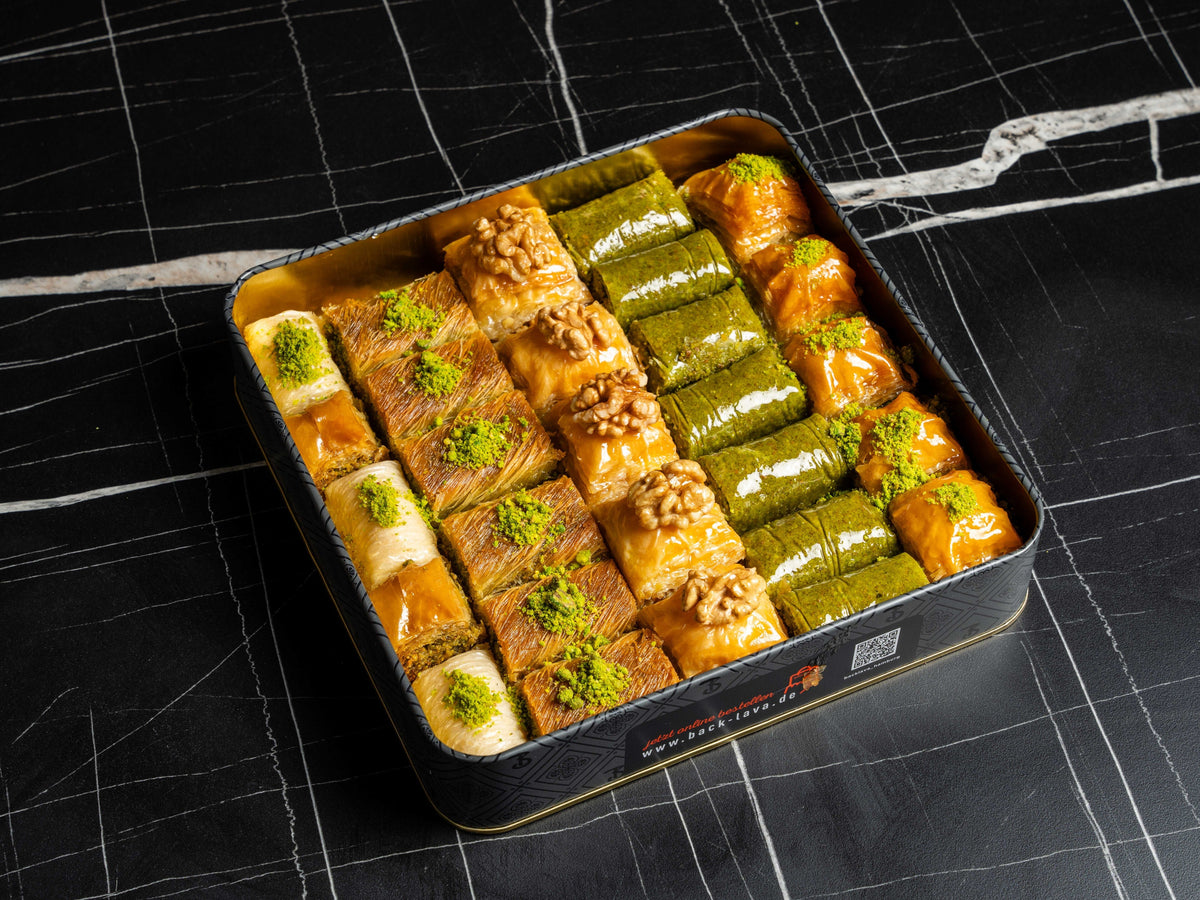
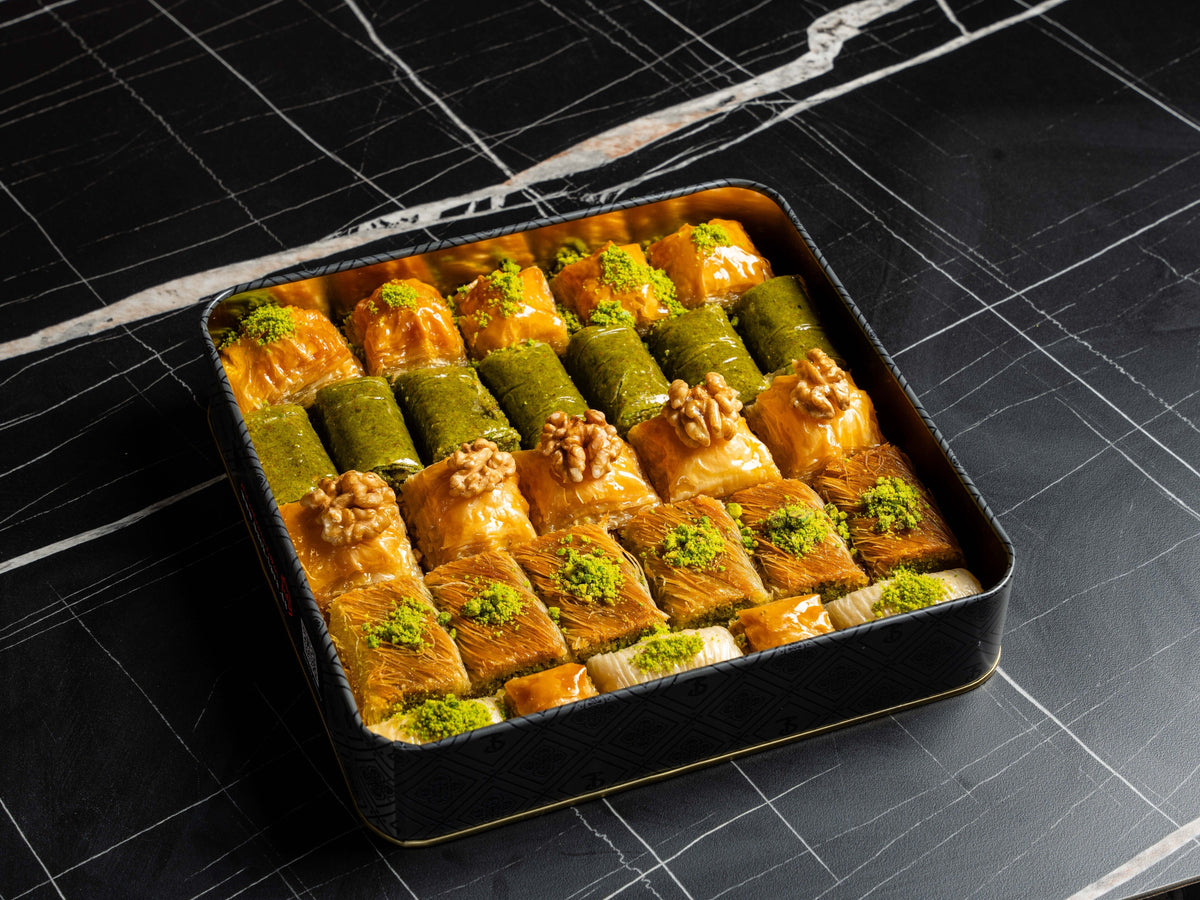
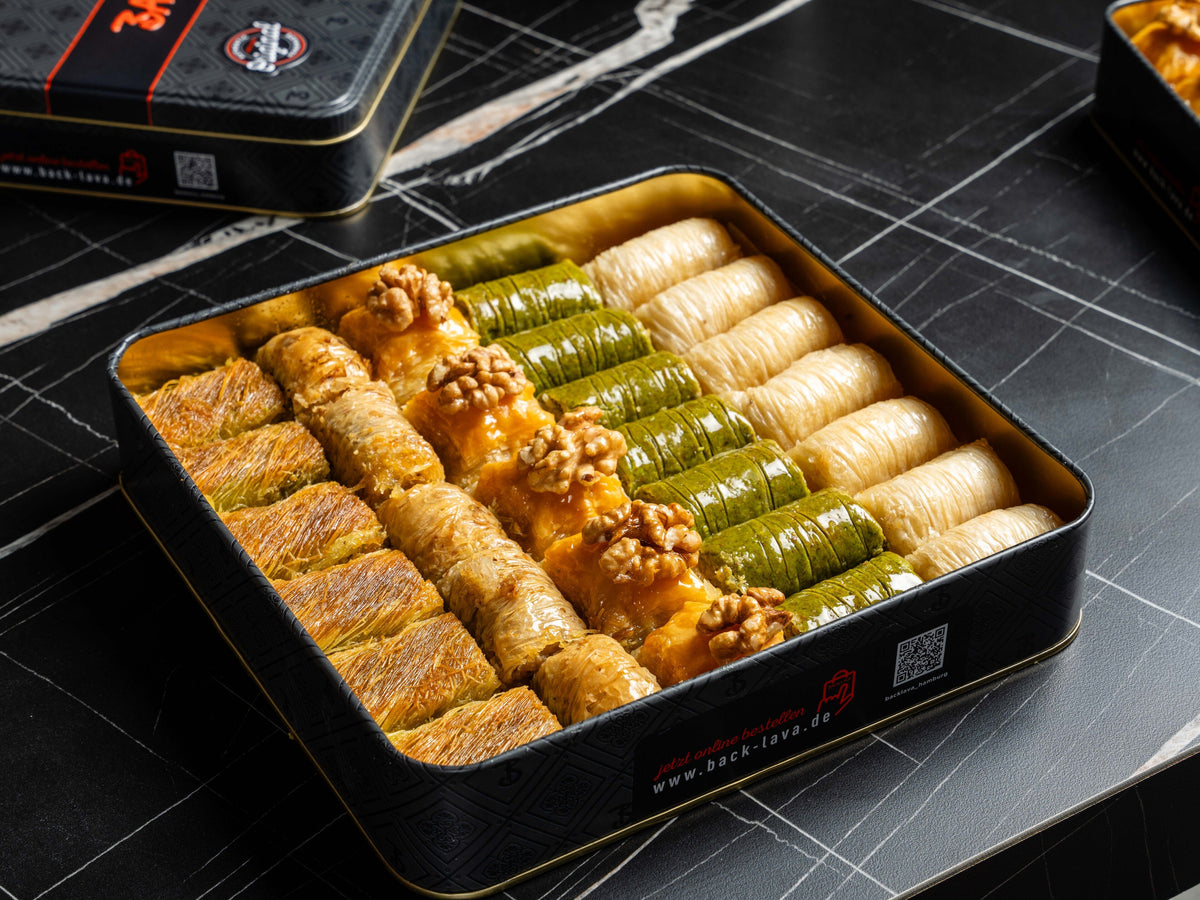
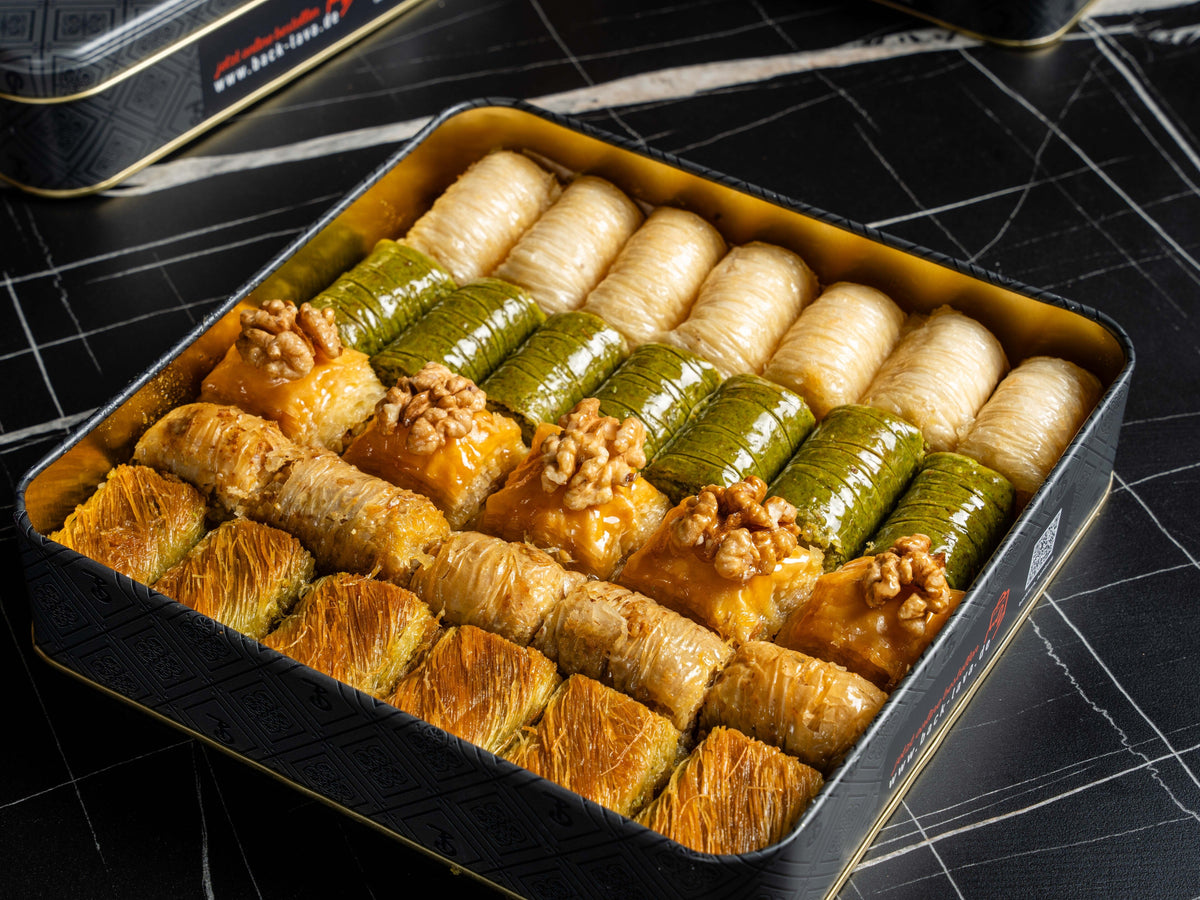
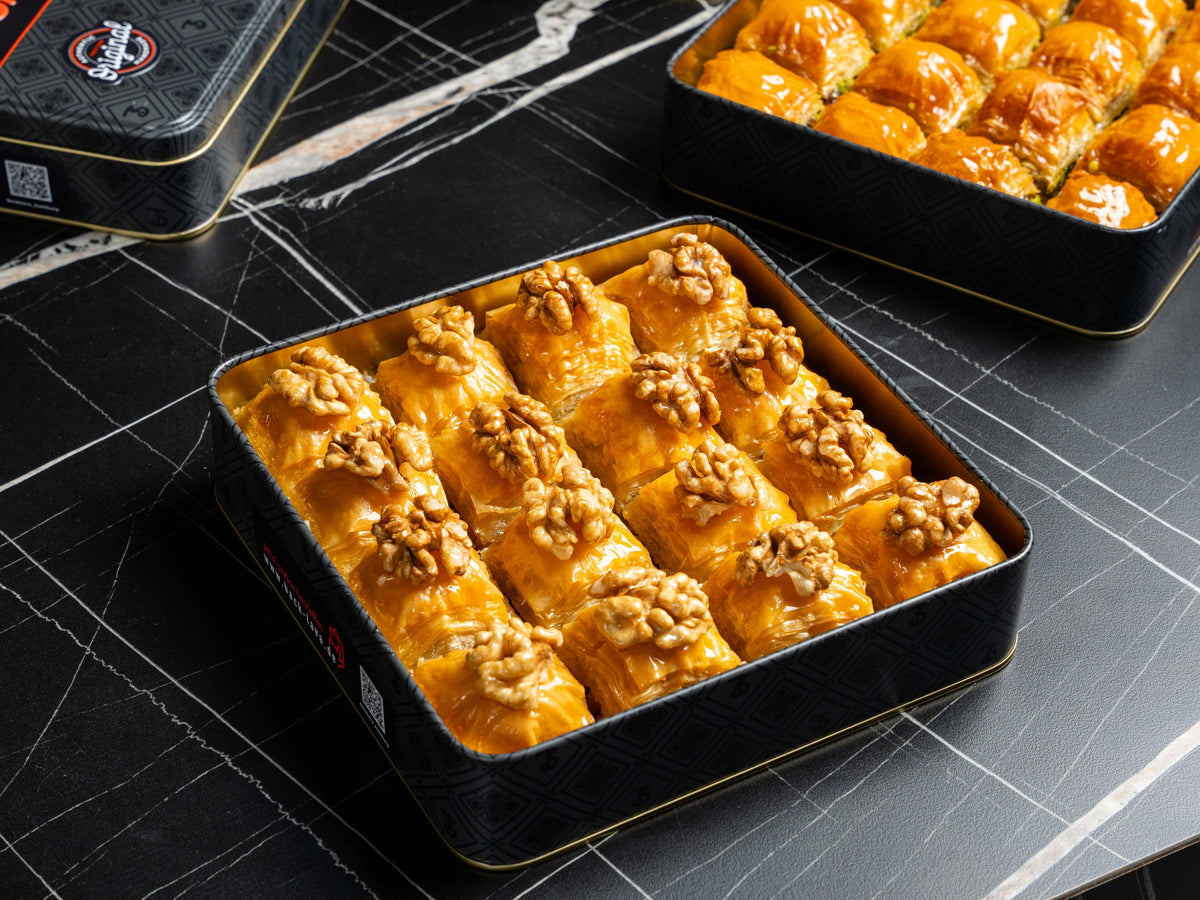
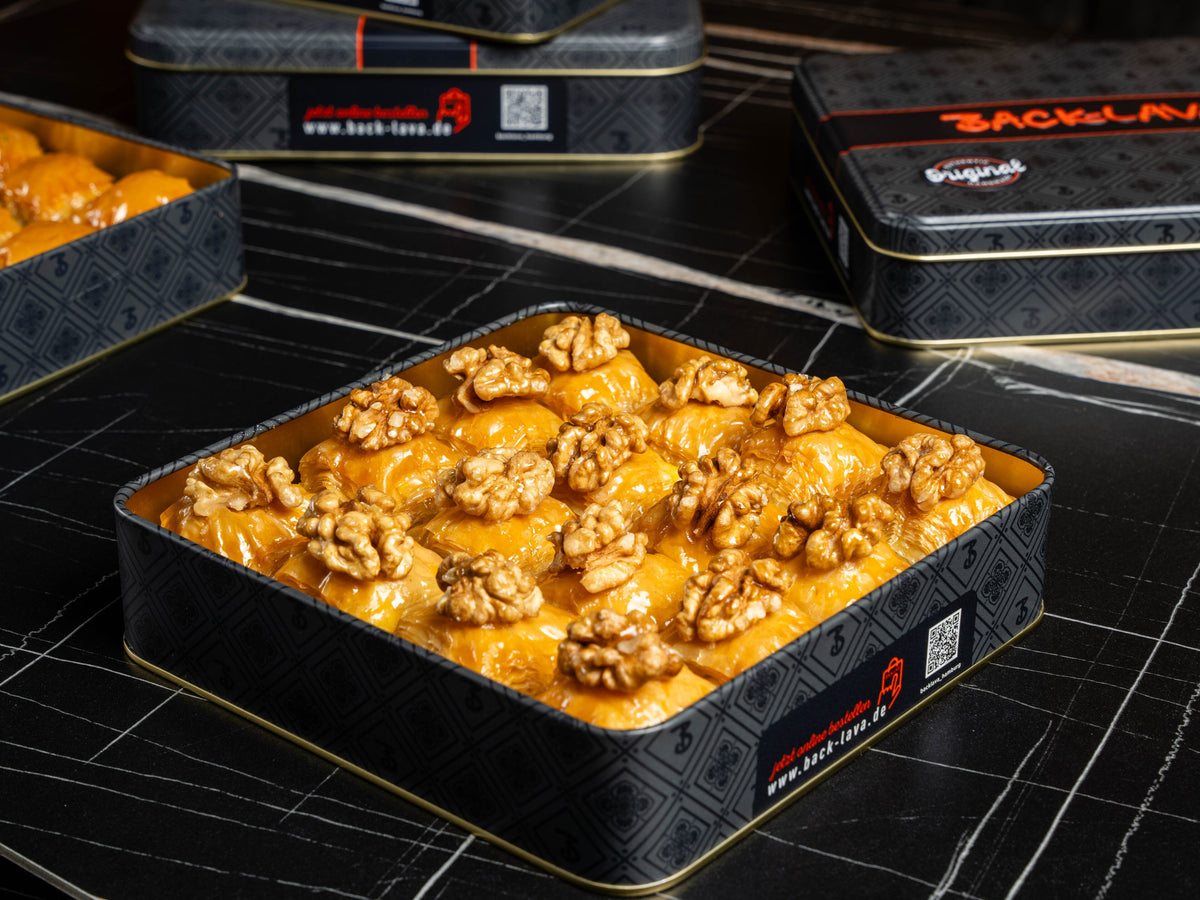
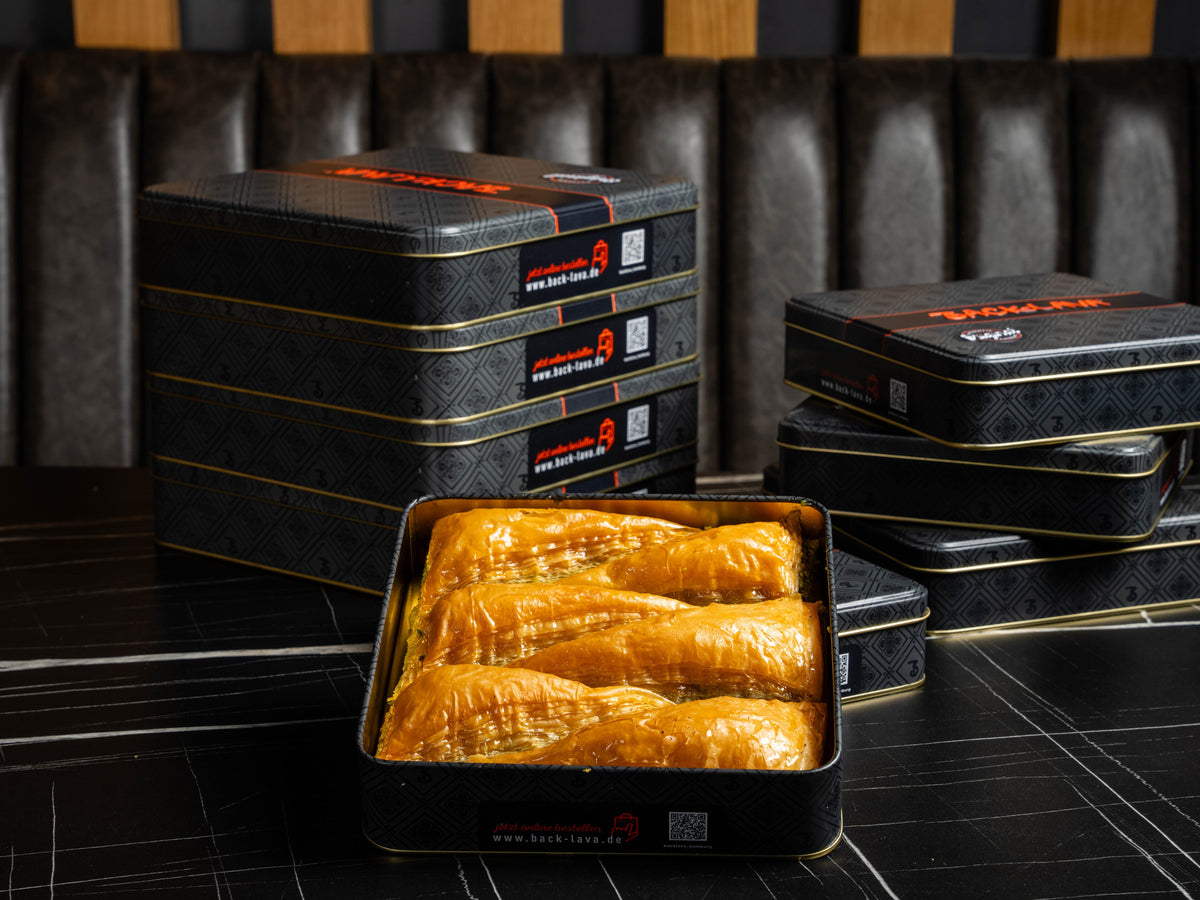
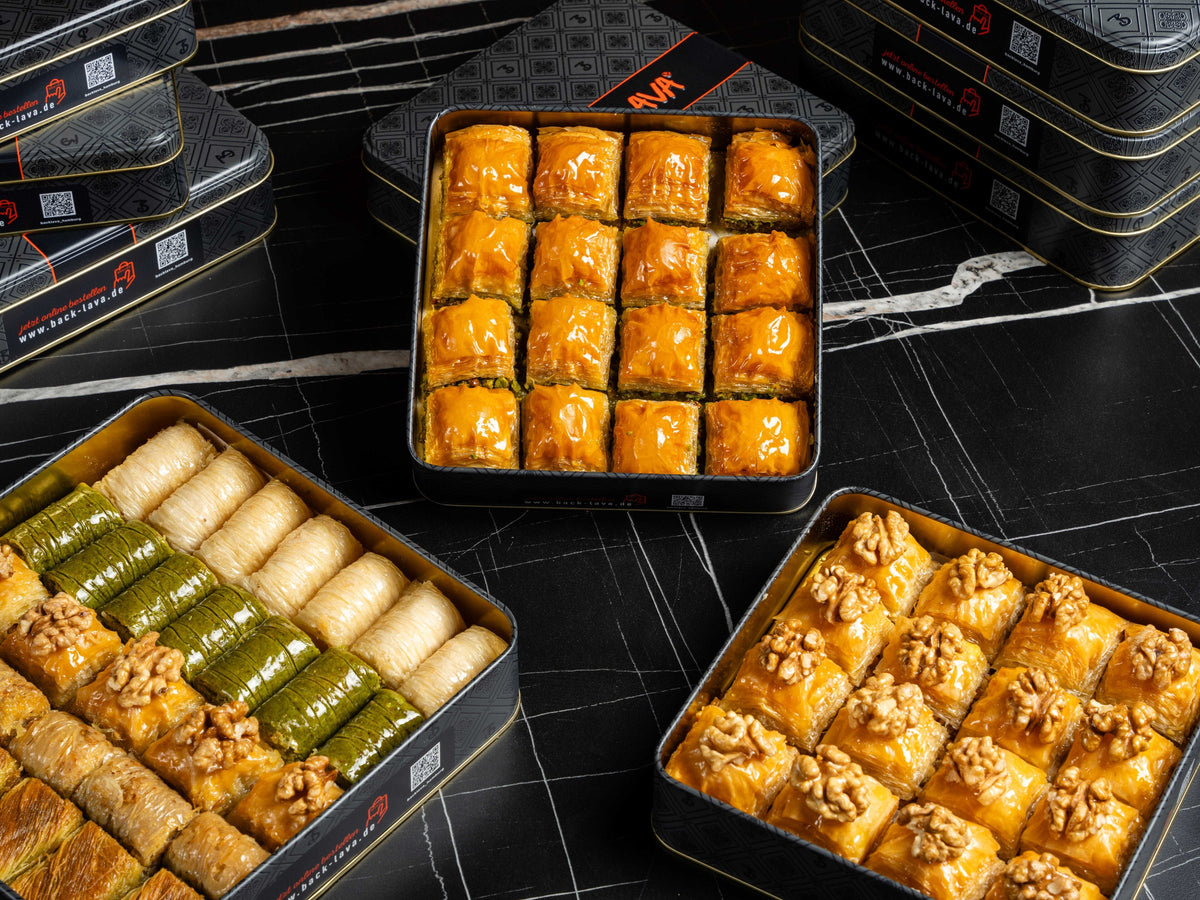
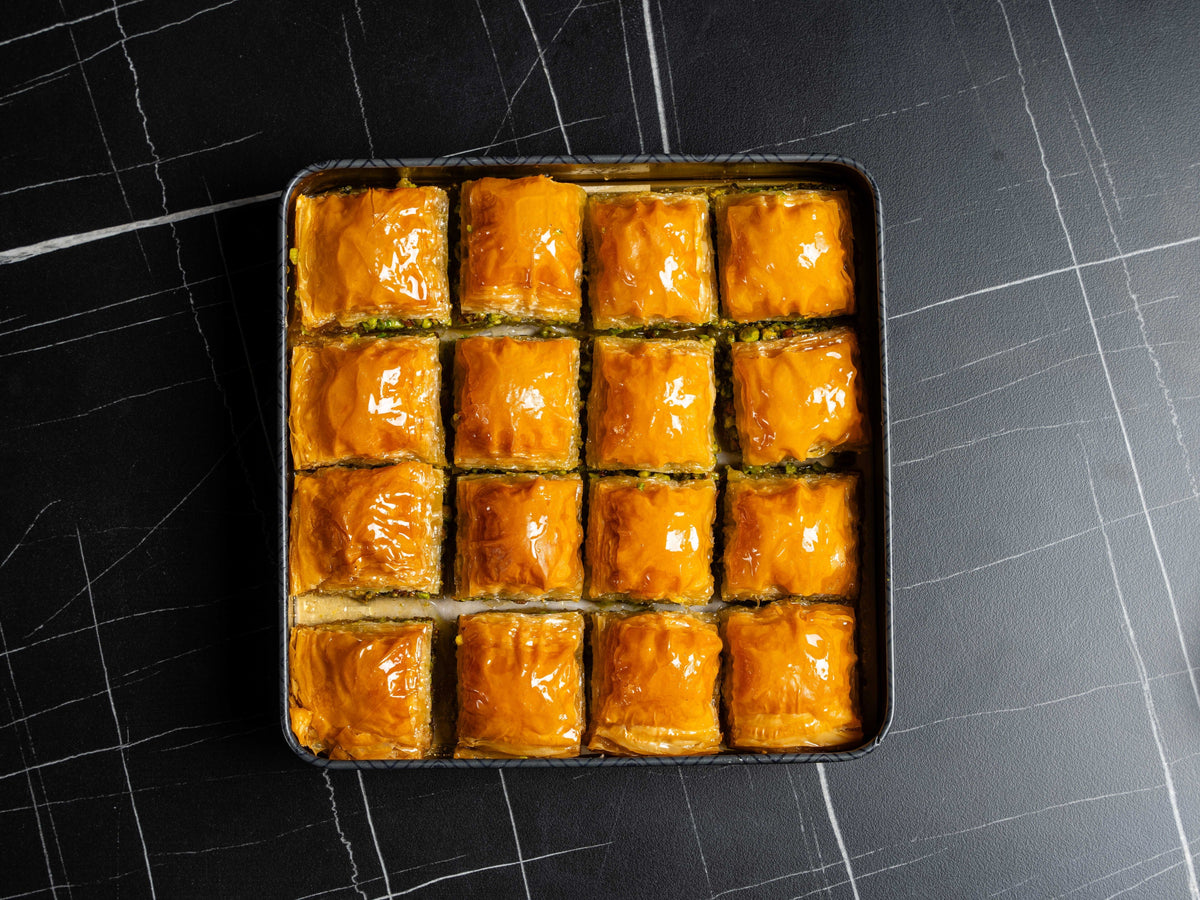
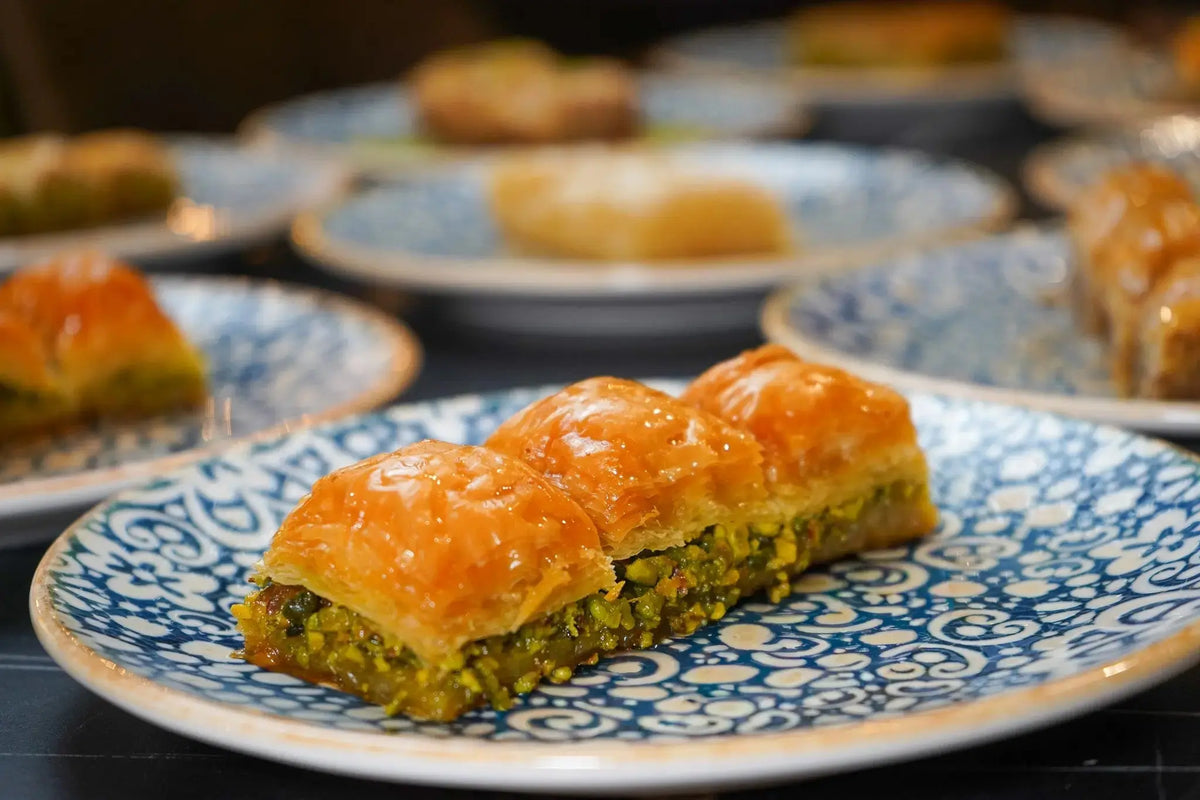
Color and natural sheen: Genuine baklava, prepared with pure sugar beet syrup and real clarified butter, shimmers with a warm, natural golden yellow. Dull, excessively dark, or unnaturally glassy and sticky surfaces are signs of artificial syrups.
-
The smell test: When brought to the nose, the pastry should have a clean aroma of fresh butter and roasted nuts. If margarine or artificial flavoring has been used, the product will smell heavy and unpleasantly greasy.
-
Consistency and syrup flow: When broken with a fork, the syrup should not pull strings like rubber or make the pastry soggy. It must be clear, evenly distributed, and absorbed into the layers.
-
Digestibility: The most important indicator reveals itself after consumption. Pure ingredients leave no heartburn, no throat irritation, and no feeling of heaviness, but rather a fine, sophisticated buttery note on the palate.
High-quality raw materials ensure a light, digestible treat without any artificial heaviness.