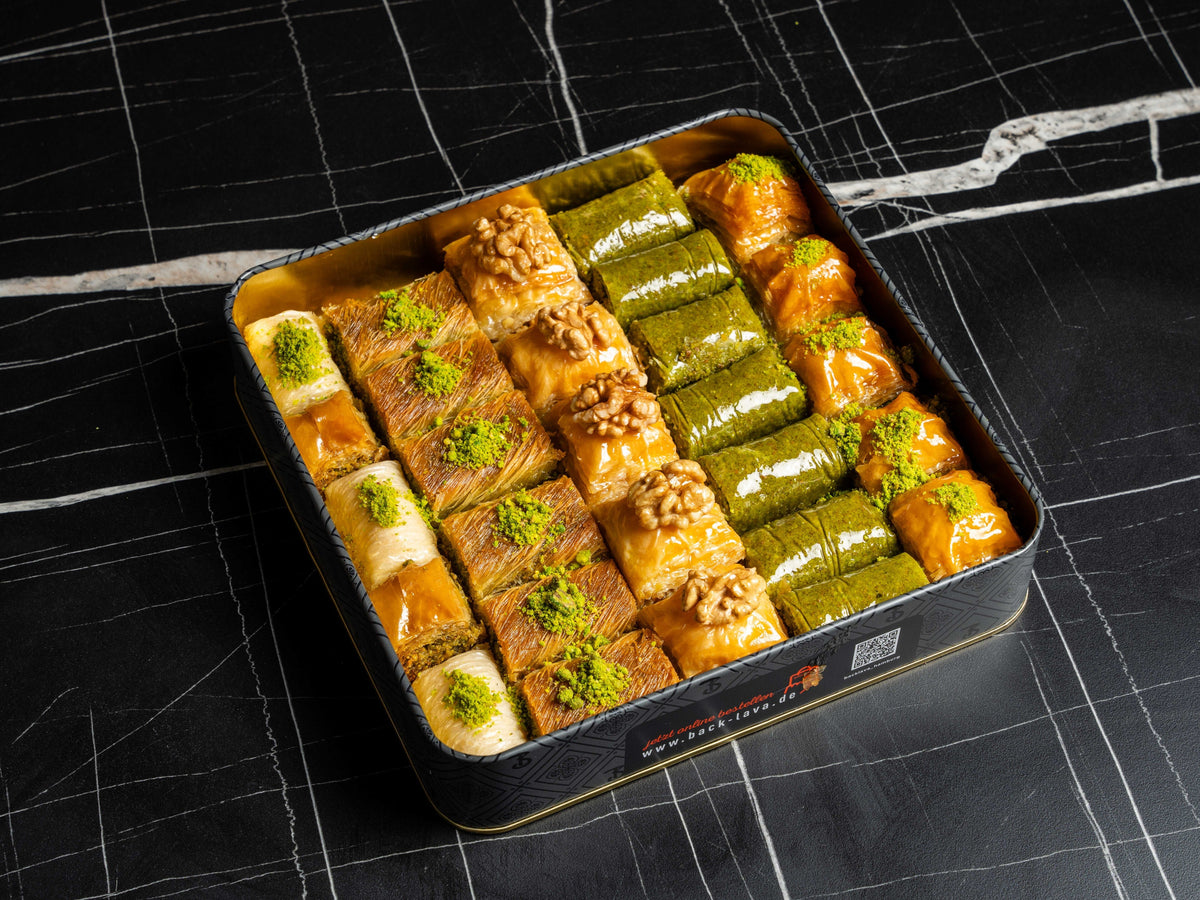
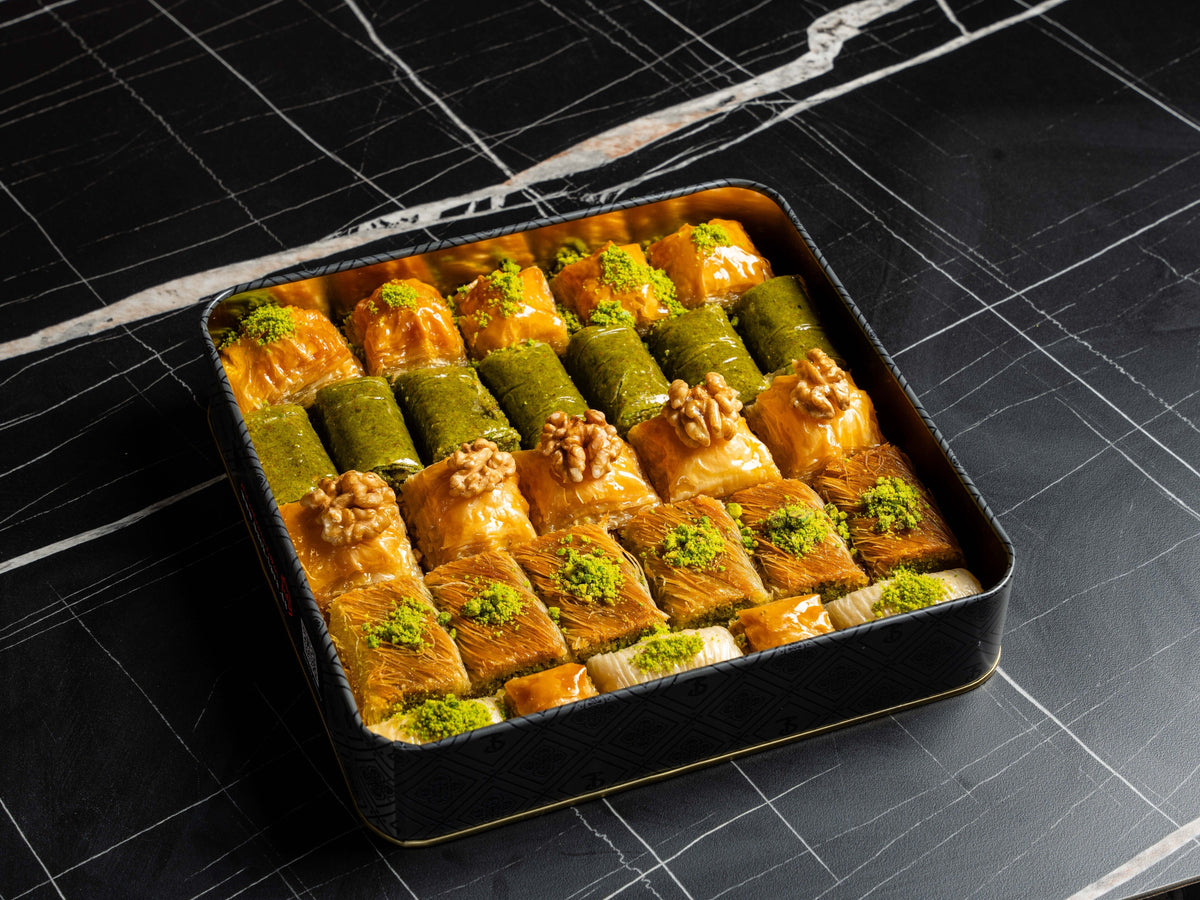
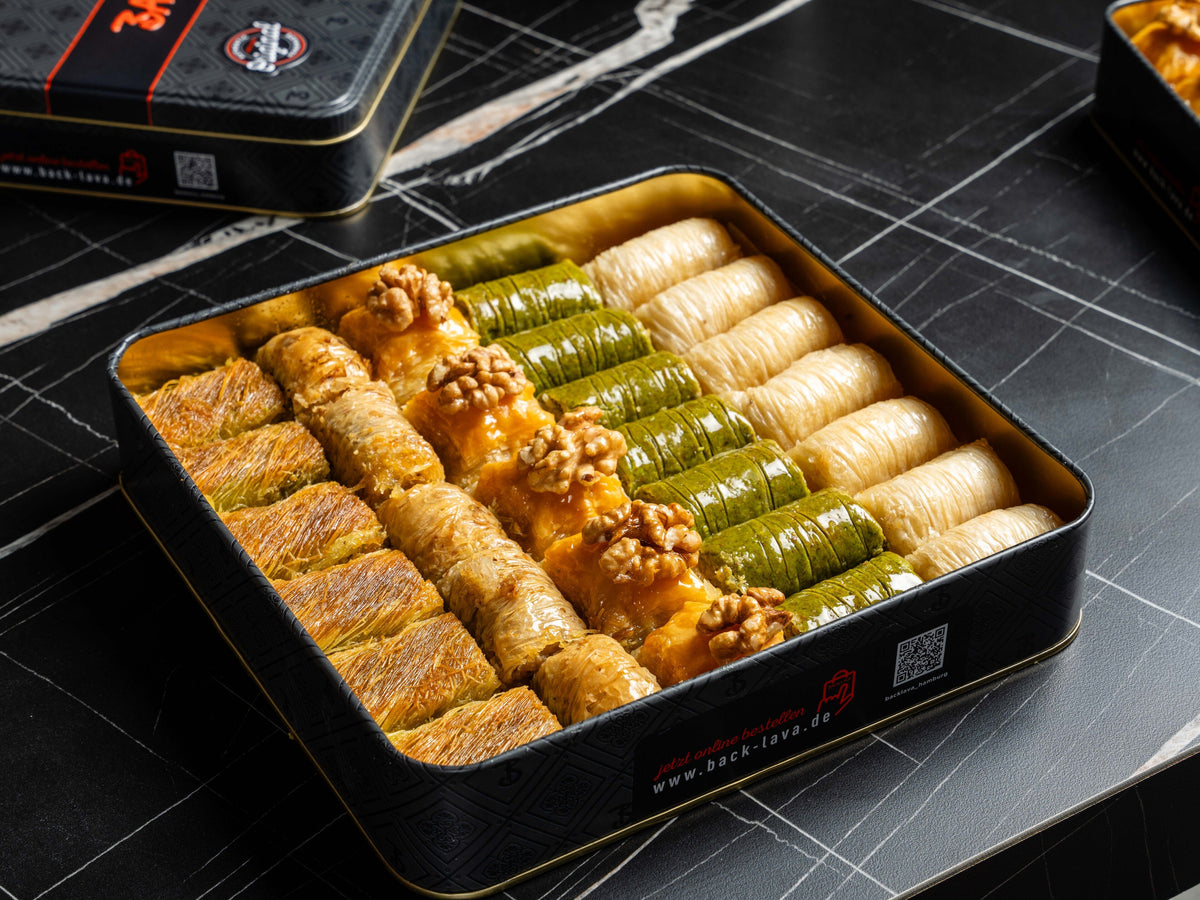
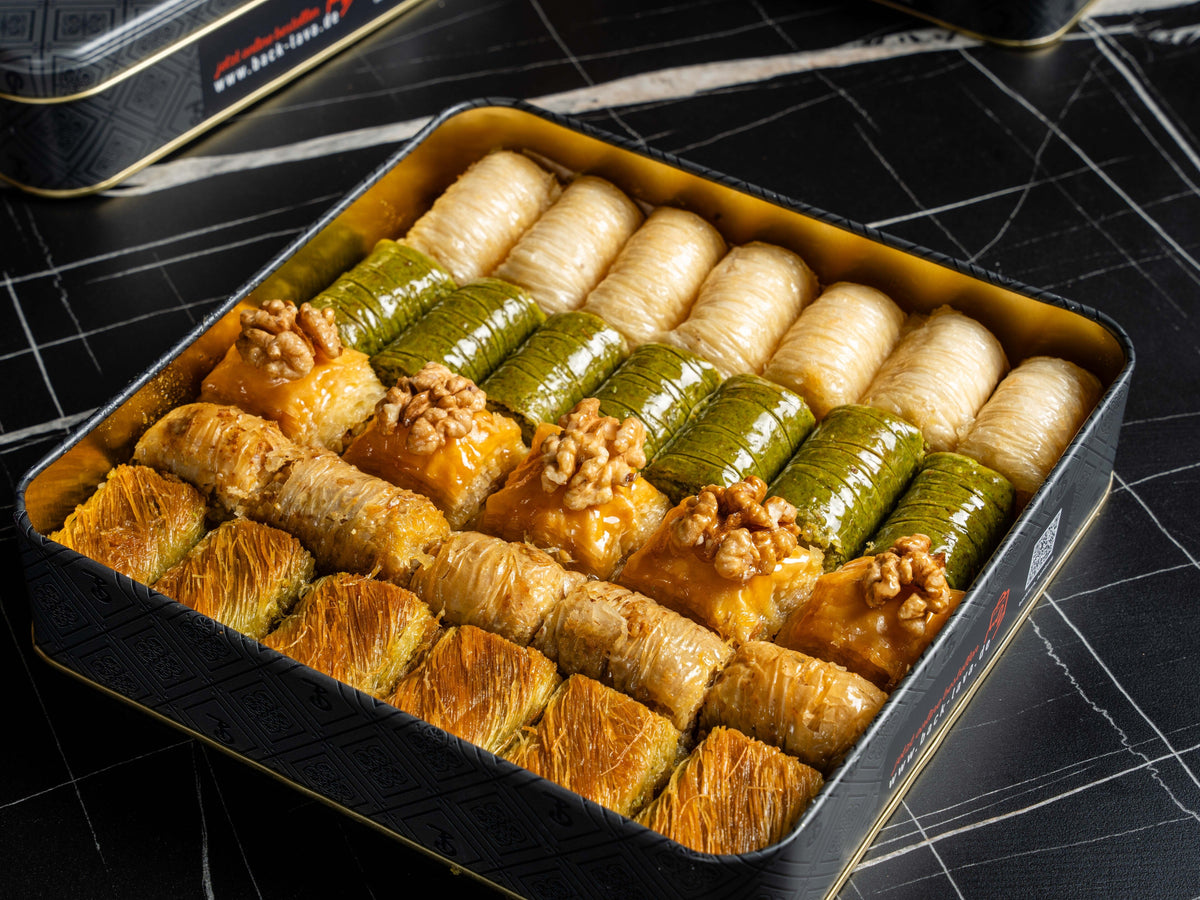
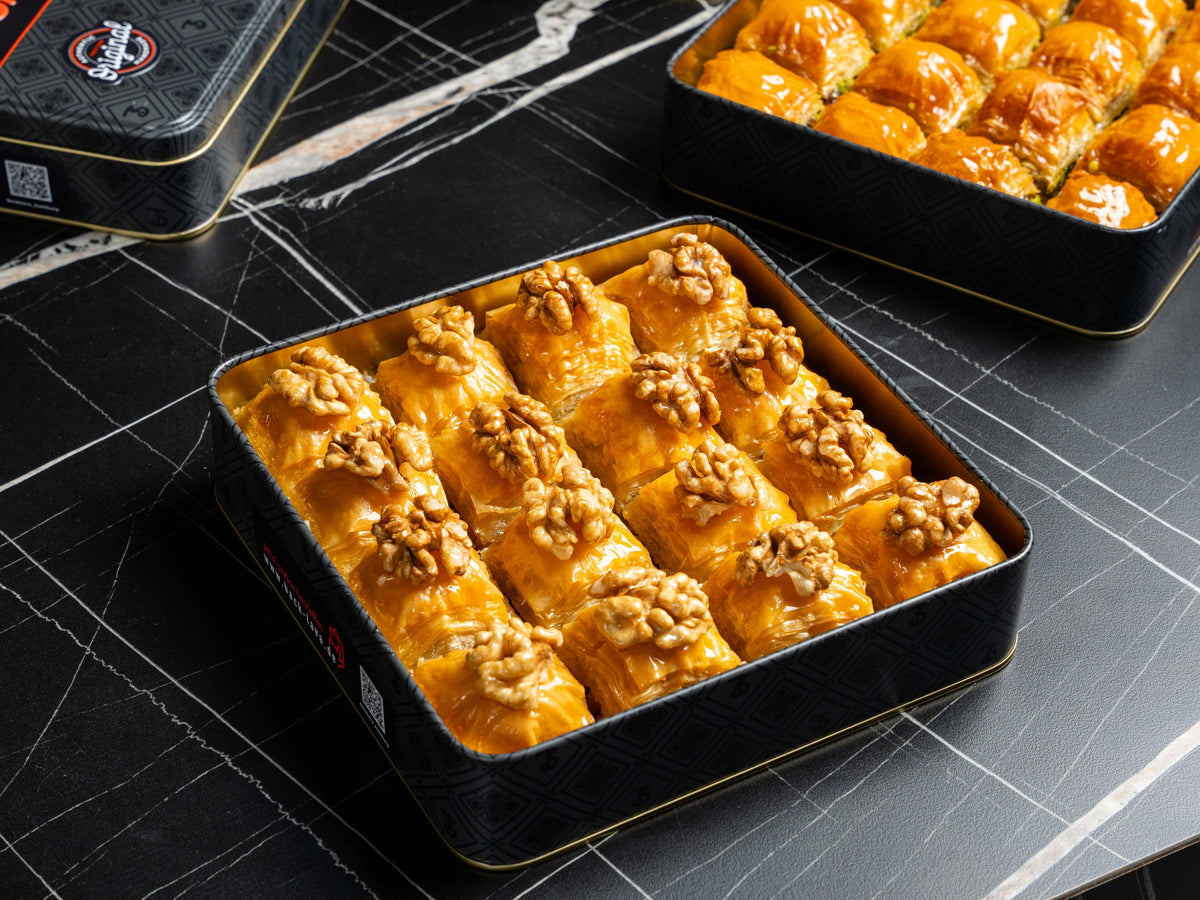
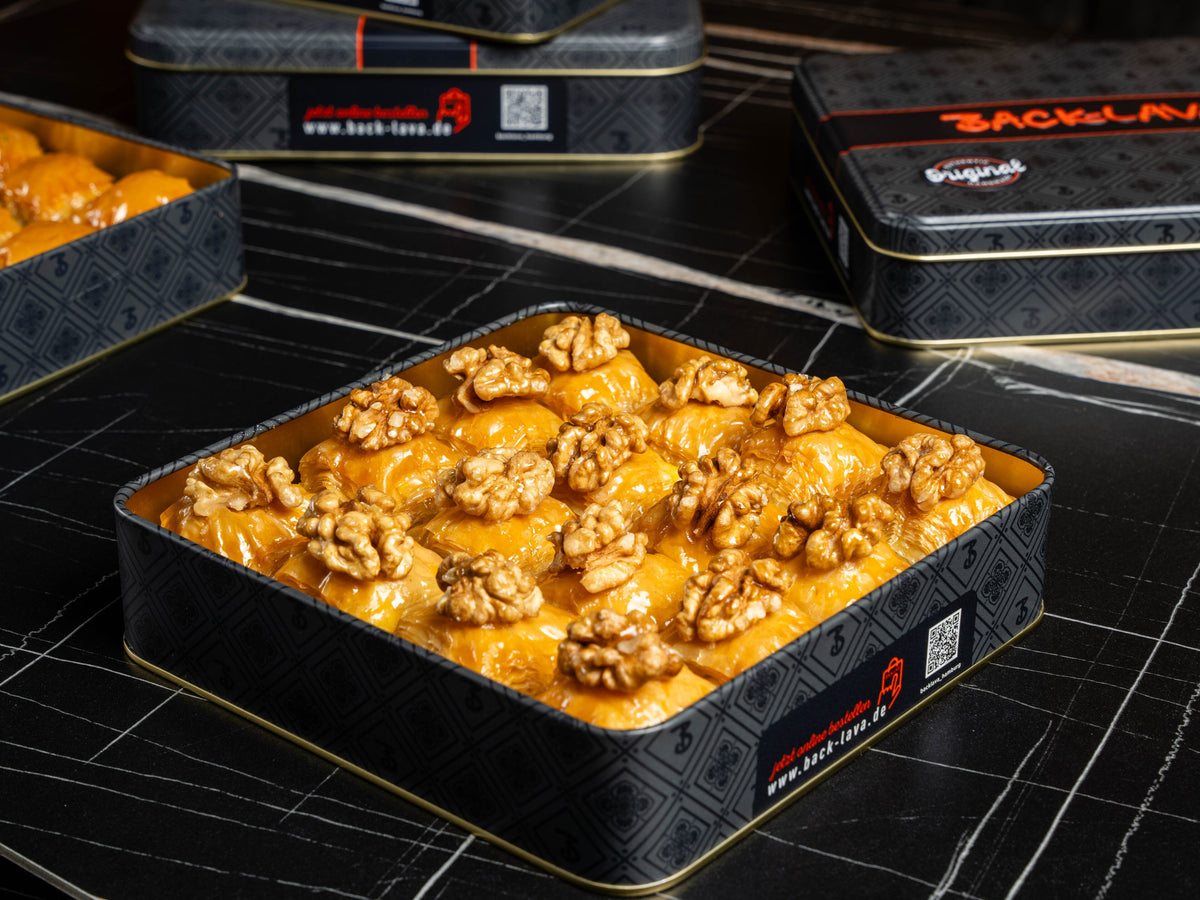
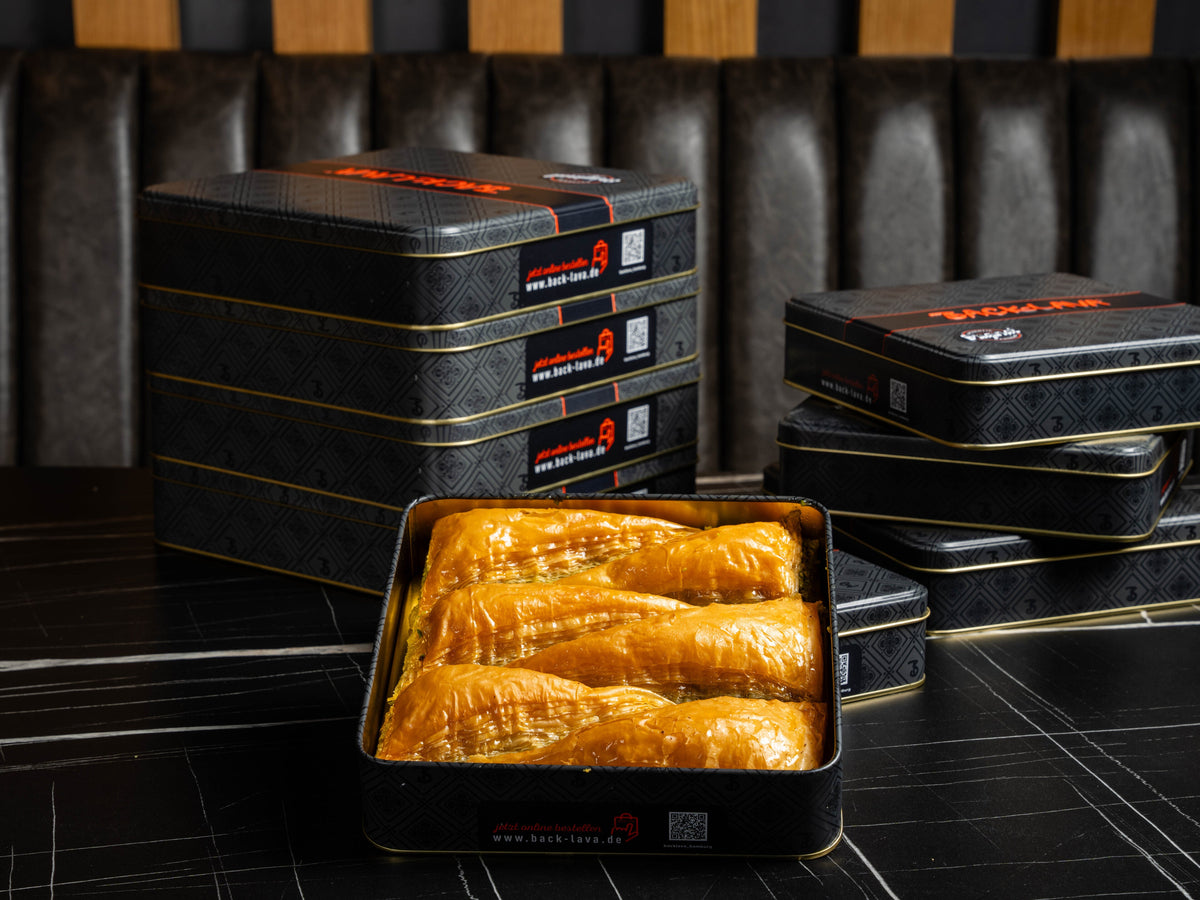
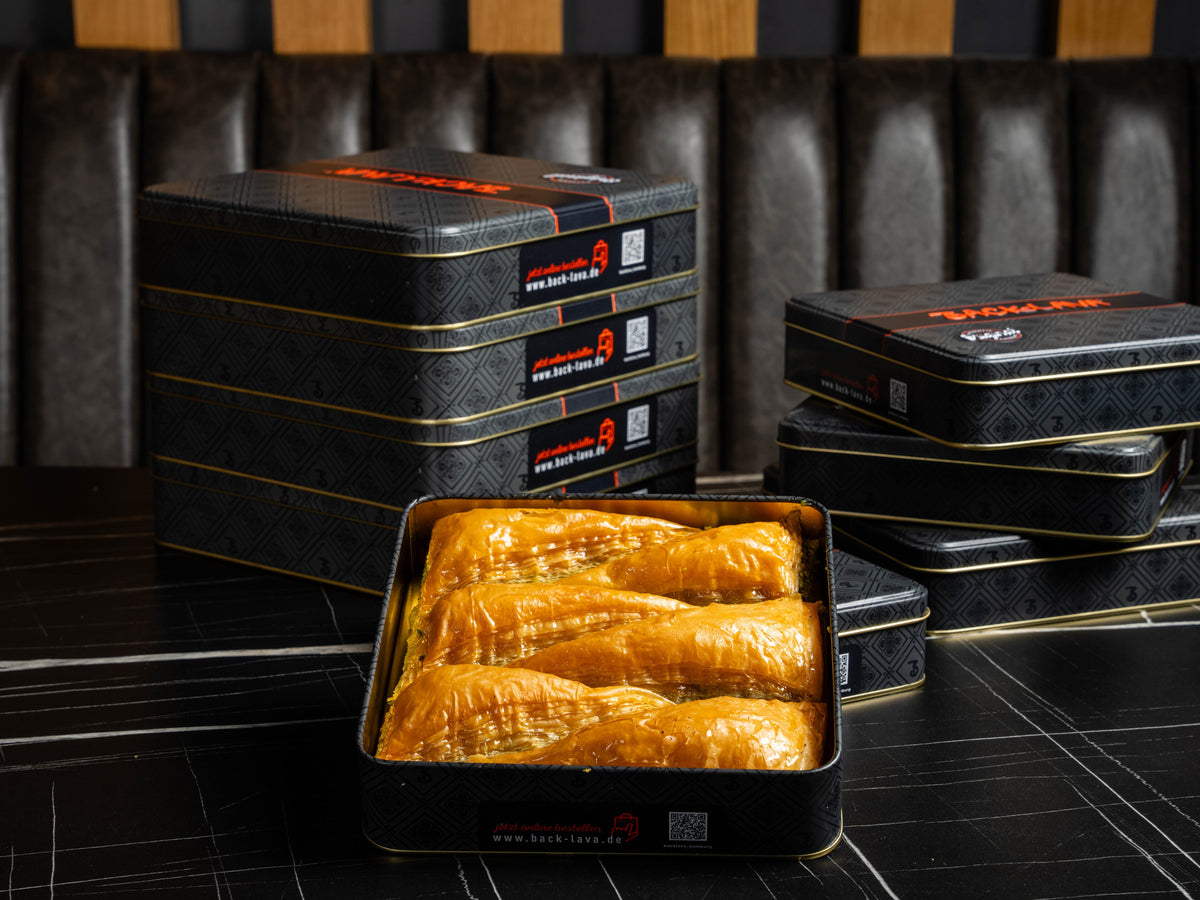
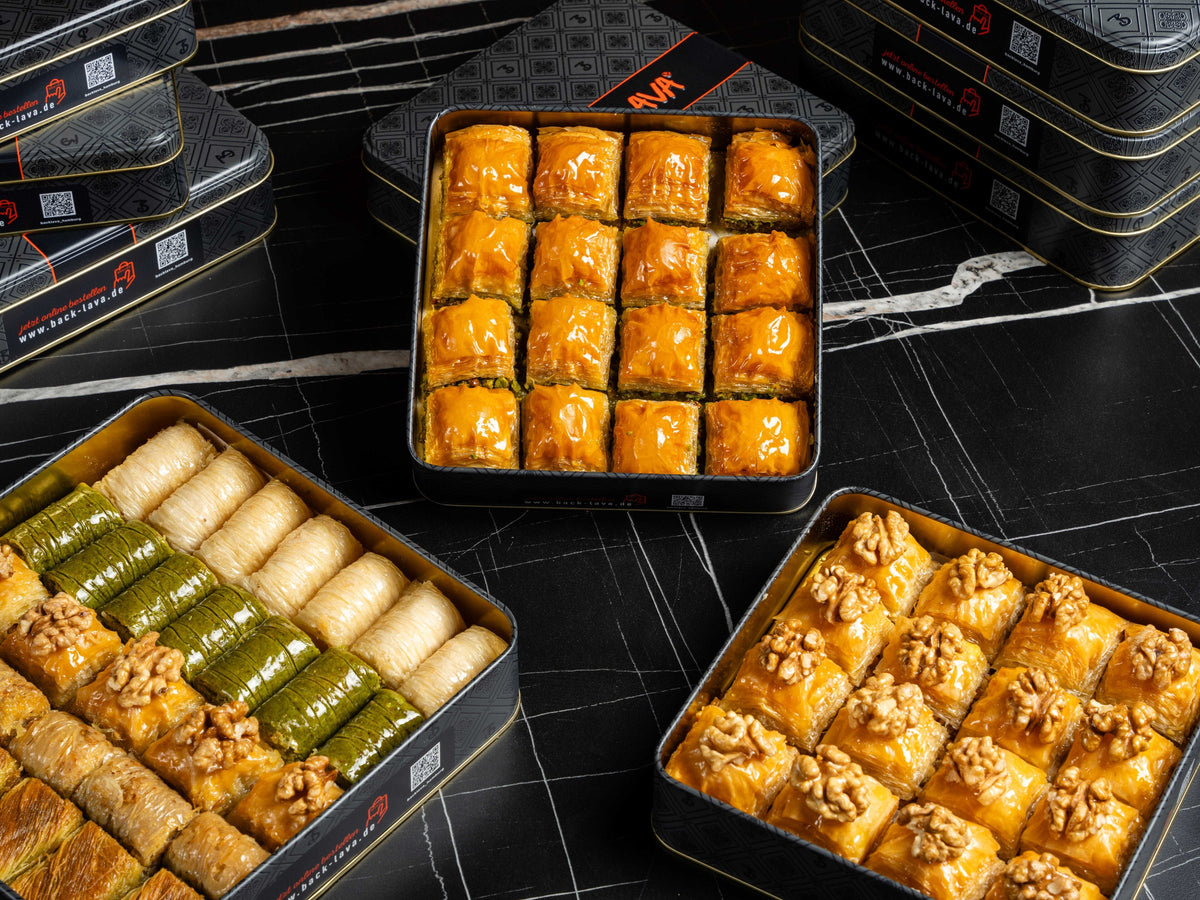
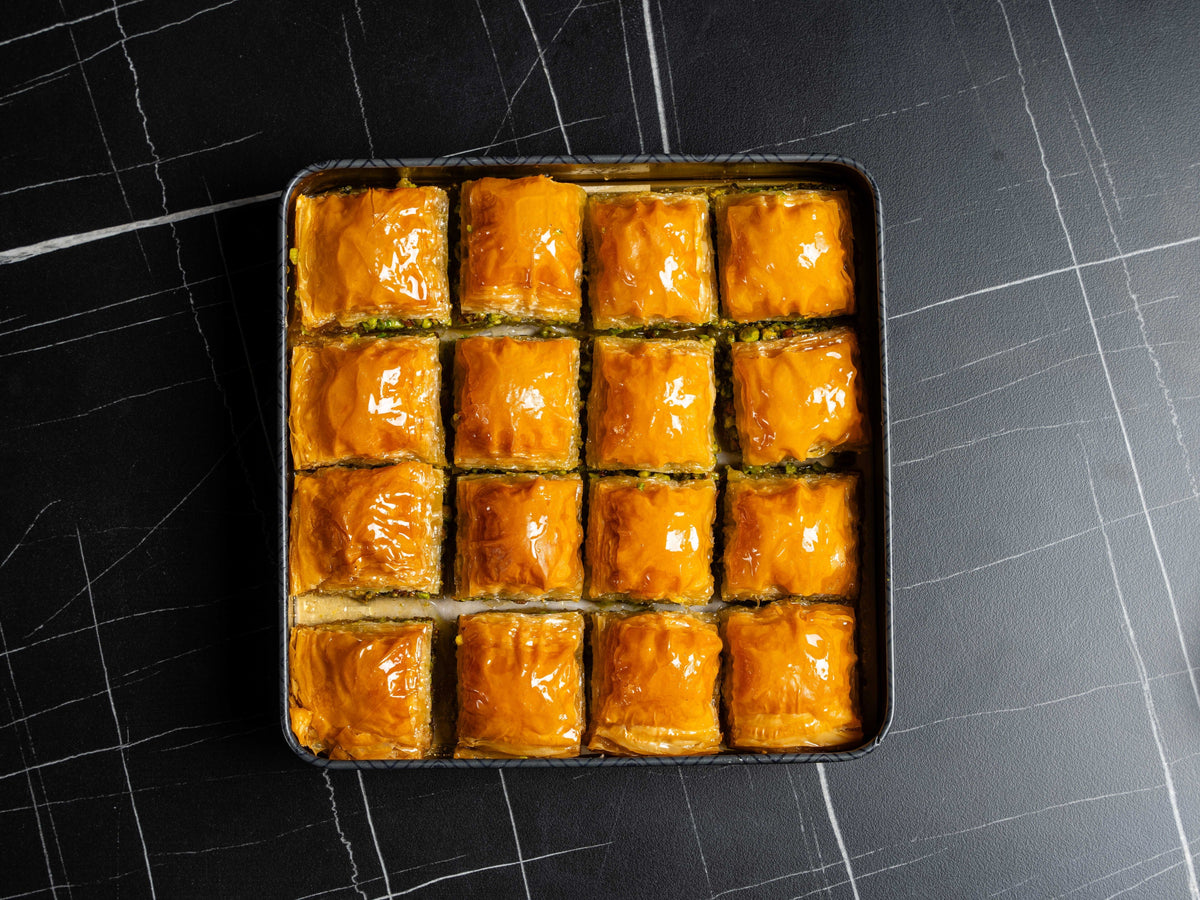
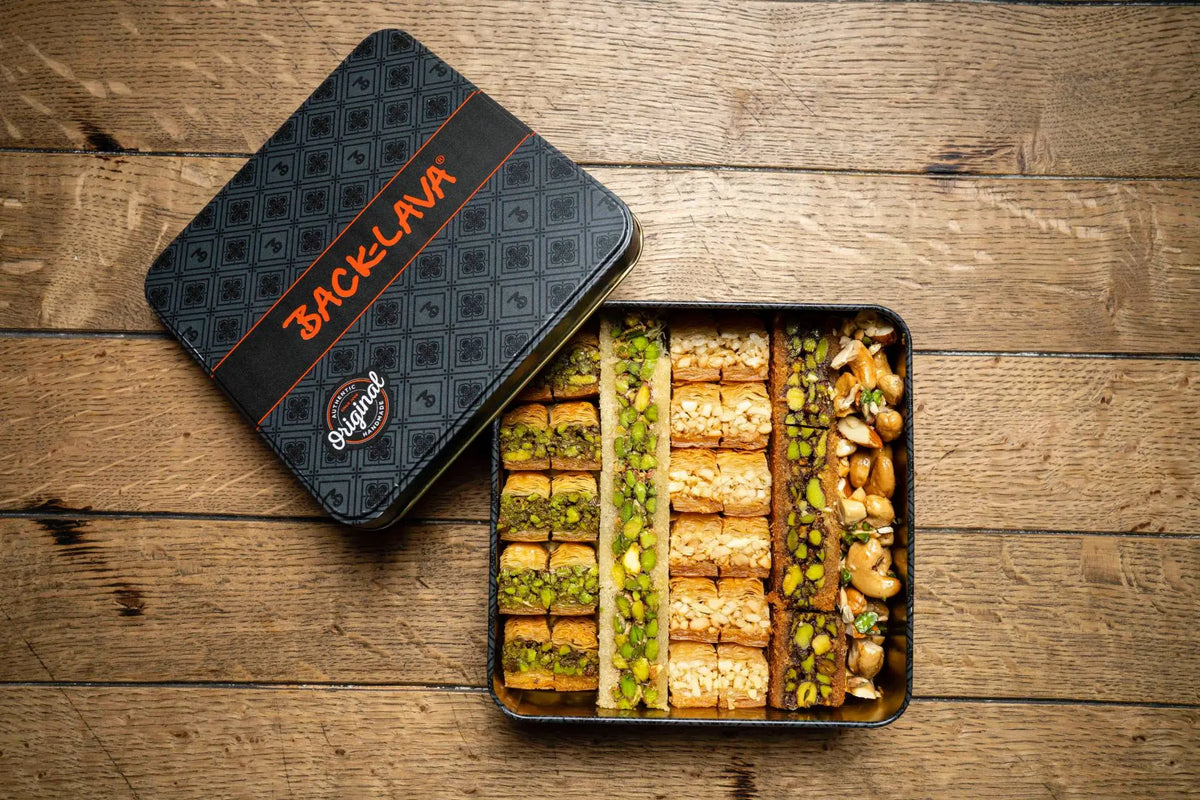
Baklava is far more than a traditional sweet—with its paper-thin layers, precise dough preparation, and perfect syrup balance, it is akin to a gastronomic masterpiece. To unlock the full flavor potential of a single piece, however, the right consumption ritual is key. True connoisseurs and master bakers agree: authentic baklava should never be eaten “flat”.
The secret of clarified butter on the palate Turning the piece of baklava so that the bottom touches the palate has a simple sensory reason: After baking, the base holds the syrup and the traditional clarified butter (sade yağ) most intensely. When the piece is placed in the mouth upside down, the body heat melts the clarified butter directly on the palate, where it immediately hits the taste buds. This releases the aromas significantly faster, allowing the full spectrum of pistachio and butter to explode evenly in the mouth.
What the characteristic crunch reveals The most reliable indicator of fresh baklava’s quality is the sound it makes upon the first bite or when pierced with a dessert fork. When up to 40 paper-thin layers of dough are baked optimally, air is trapped between the layers. The audible crackle proves that the dough has not collapsed or become soggy, but has maintained its fresh crispness. A chewy, silent, or mushy piece, on the other hand, indicates a lack of freshness.
Turn your next piece of baklava over before enjoying it, listen to the crunch, and experience the difference.